
When a spray tan goes wrong — how UK techs diagnose and fix patches, streaks and colour complaints
Every spray tan tech gets the message sooner or later: a photo of a stripy ankle, a palm that’s gone darker than the forearm, or a client who says their tan has “gone orange”. Handled well, a complaint like this can turn a nervous first-timer into a regular. Handled badly, it turns into a one-star review and a refund you didn’t need to give.
This guide is for UK salon owners and mobile techs. It covers how to work out what actually went wrong, which fixes work (and which make things worse), and how to stop the same problem coming back. It isn’t about any one brand. The same principles apply whichever solution and machine you use.
Step one: get the facts before you offer a fix
When a client gets in touch unhappy, the urge is to apologise and book a free re-spray straight away. Hold off for a few minutes and gather the information first. Otherwise you could spray straight over a problem that came from aftercare, and get the same result twice.
Ask for:
- Photos in daylight, ideally near a window rather than under bathroom spotlights, which exaggerate both orange and patchiness.
- When the problem appeared. Straight after the first rinse, a day later, or after day four or five? The timing tells you more than anything else.
- What happened after they left you. What they wore home, whether they trained or sweated, when they first showered, and what they washed with.
- What they did beforehand. Shaving, waxing, moisturiser, deodorant, perfume, and whether they exfoliated (and with what).
Keep your tone curious rather than defensive. “Let’s work out what happened so we can sort it” goes a lot further than “did you follow the aftercare sheet?”
Reading the pattern: what usually causes what
Most spray tan problems leave a recognisable fingerprint. These are the patterns techs see most often and the usual causes behind them. They’re general rules of thumb, not a diagnosis, so always check them against what the client tells you.
Patches and streaks that show up straight after the first rinse
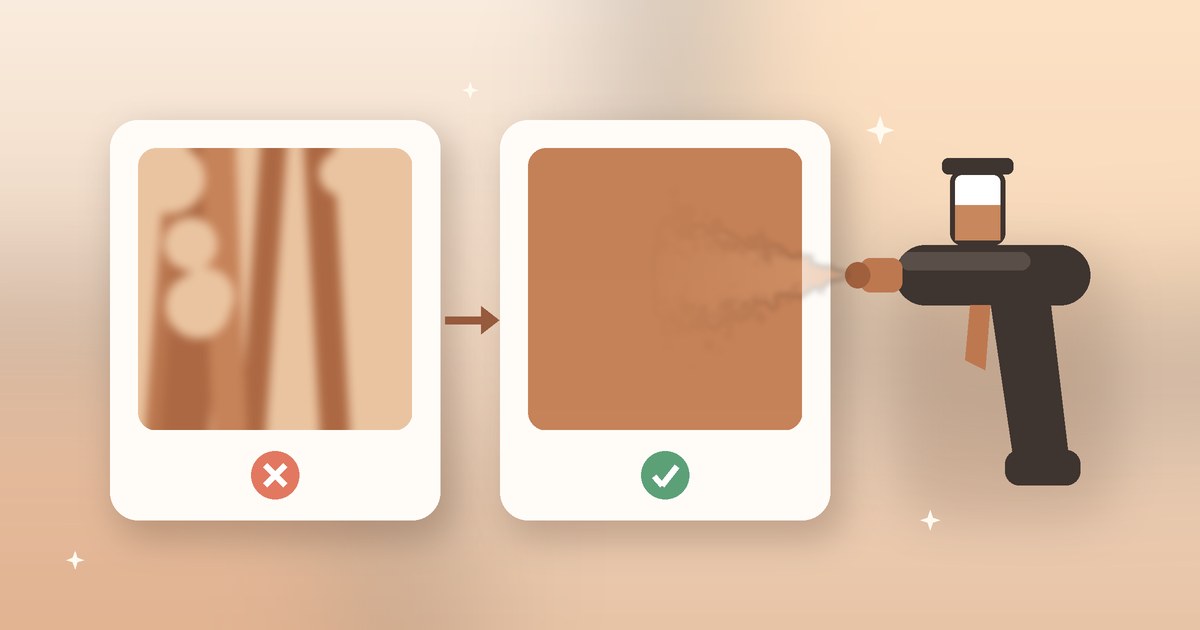
If the colour was uneven from the start, the cause is usually something on the skin or something in the application. Common culprits are leftover moisturiser or body oil (which act as a barrier), a heavy-handed pass in one area, or overspray drips running down the legs. Clean, even passes with consistent distance matter more than speed. If you’re seeing drips often, check your air pressure and solution flow, and look at the nozzle. A partly blocked or worn nozzle can spit rather than mist. Our older guide to maintaining your spray equipment is written around MaxiMist kit, but the cleaning routine applies to most HVLP guns.
White marks, lines and “map” shapes
Sharp-edged pale marks usually mean something touched the skin before the tan had developed: a bra strap, tight leggings, socks, a watch, or sweat running down the back. Patches under the arms or between the shoulder blades often come from deodorant or sweat. In winter, when clients go home in tight jeans and a heavy coat over the top, these marks become far more common. That’s worth covering at the booking stage, not just on the day.
Dark knees, ankles, elbows and knuckles
Dry areas soak up more DHA, so they develop darker. The fix starts with prep: a gentle exfoliation a day before, then a light barrier cream on very dry areas just before spraying. On the day, use lighter passes over joints, and buff knuckles and the tops of feet with a dry mitt straight after spraying. Central heating and cold winds make this worse from October onwards. We cover the cold-weather side of it in spray tanning in a British autumn.
Patchy fade from about day four onwards
If the tan looked good for several days and then flaked away unevenly, the application probably wasn’t the problem. Uneven fading tends to come from dry skin shedding at different rates, long hot baths or swims, harsh shower gels, or rubbing with a towel. The fix for next time is aftercare: a light, oil-free moisturiser every day, patting dry rather than rubbing, and a gentle exfoliation once the tan is clearly fading rather than scrubbing off patches in the middle.
“It’s gone orange”
Orange complaints are the hardest because colour is partly a matter of opinion. Possible causes include a DHA level too strong for the client’s natural skin tone, a guide colour that doesn’t suit their undertone, too many layers, or simply judging the colour under warm indoor lighting. Before changing anything, look at the daylight photo. If the tan really is too warm, look at your solution choice for that client next time. A lower DHA percentage, or a different base (violet and green bases are usually used to tone down warmth), may suit them better. Our explainer on red, green and violet base solutions goes into this in more detail. If you’re choosing a medium-strength solution for most of your clients, the medium DHA comparison of Sienna X, Suntana Cherry and Crazy Angel shows how similar strengths can develop quite differently.
Palms and between the fingers
Dark palms nearly always come from touching the skin while the tan is developing, whether that’s smoothing hair, adjusting clothes or putting on shoes. Barrier cream on the palms, a quick wipe after spraying, and telling the client to avoid washing their hands with hot water and soap for the first few hours (rinsing palms only) will prevent most of it.
Fixing it: what actually works
Once you know the cause, choose the gentlest fix that will do the job. More aggressive isn’t better. Scrubbing hard at a patch often leaves a pale halo around it that’s more obvious than the original mark.
Small dark spots, lines and dark joints
- A warm soak, then light buffing. Ten to fifteen minutes in a warm bath or shower softens the top layer of skin. A soft exfoliating mitt used in small circles will often lift drips and dark lines.
- A dedicated tan remover. Most professional ranges sell one. Use it on the affected area only and follow the product’s timing. Don’t leave it on longer “to be sure”.
- Blending rather than removing. Sometimes it’s easier to soften the edge of a patch than to erase it completely, so it fades into the surrounding colour.
Pale patches and white marks
Pale marks need colour added, not taken away. A light spot-correction with your usual solution, or a lighter one, misted over the area and feathered at the edges, usually blends well. Don’t rush back into a full re-spray over a patchy tan. Uneven old colour under fresh colour tends to stay uneven. If a lot of the body is affected, ask the client to remove the old tan as fully as they can first, then re-spray once the skin has settled.
Too dark or too orange overall
A full-body correction is usually a combination of time and removal: a tan remover or a long soak with gentle exfoliation, then a day or two for the colour to soften. If the client has an event coming up, be honest that you can tone things down but probably can’t reset them overnight. Next time, a lighter solution or a faster-rinse formula they can wash off earlier gives them more control. Our express rinse comparison looks at how the main 1-hour solutions behave.
Free re-spray, partial refund or neither?
Set a written policy in advance so you’re not deciding it on the spot while a client is upset. Under the Consumer Rights Act 2015, services provided to consumers in the UK must be carried out with reasonable care and skill. So if the problem genuinely comes from the application, you should put it right. If it clearly comes from aftercare, such as a gym session an hour after spraying or a soak in a hot tub, you can explain that kindly and still offer something as goodwill.
Many techs find this kind of approach works:
- Application issue (drips, missed areas, wrong solution choice): free correction or re-spray within a set window, usually a few days.
- Aftercare issue: no charge for advice and touch-up tips, and perhaps a discount on the next tan.
- Unclear: give the benefit of the doubt once, then make a note on their record.
Whatever you decide, put it on your booking page and in your aftercare message so it isn’t a surprise. If you’re unsure what your insurance expects, for example around patch tests or consultation forms, check your policy wording or ask your insurer rather than guessing.
Stopping repeats: a short checklist
- Consultation notes for every client. Skin type, solution and strength used, number of passes and anything unusual. When something goes wrong, your notes are the first thing to check.
- A clear prep message sent at booking, not just on the day. Cover exfoliation timing, no moisturiser or deodorant on the day, and loose dark clothing.
- Daylight-balanced lighting in your booth or pop-up tent, so you can see uneven coverage before the client leaves. Good extraction helps too: less mist hanging in the air means a clearer view of the skin. See our extractor picks if your setup feels foggy.
- Regular gun maintenance: clean the nozzle and cup after every session and check for wear. If your machine is ageing, our tanning machine round-up covers current options.
- A written aftercare sheet, plus a short text the evening after the tan. A quick reminder about the first rinse and patting dry heads off a lot of problems.
- Keep learning. Even experienced techs pick up new tricks on a refresher course. Our list of spray tan training courses is a good starting point.
The bottom line
Most spray tan problems are fixable, and most are preventable. Diagnose first: the timing and shape of the problem usually tell you whether it came from prep, application or aftercare. Use the gentlest fix that works, have a fair policy written down before you need it, and keep notes so each problem teaches you something.
If you’re reviewing your solution range at the same time, our top spray tan solutions page is a good place to compare options. Got a fix that has saved a client’s tan? Share it with other techs on the spraytan.net forums.









Leave a Reply